Would this actually work for my kind of business?
Yes. Any business can benefit from automation, and the smaller the business, the more it benefits. Andrei on what an hour a day adds up to and where the admin load really sits.
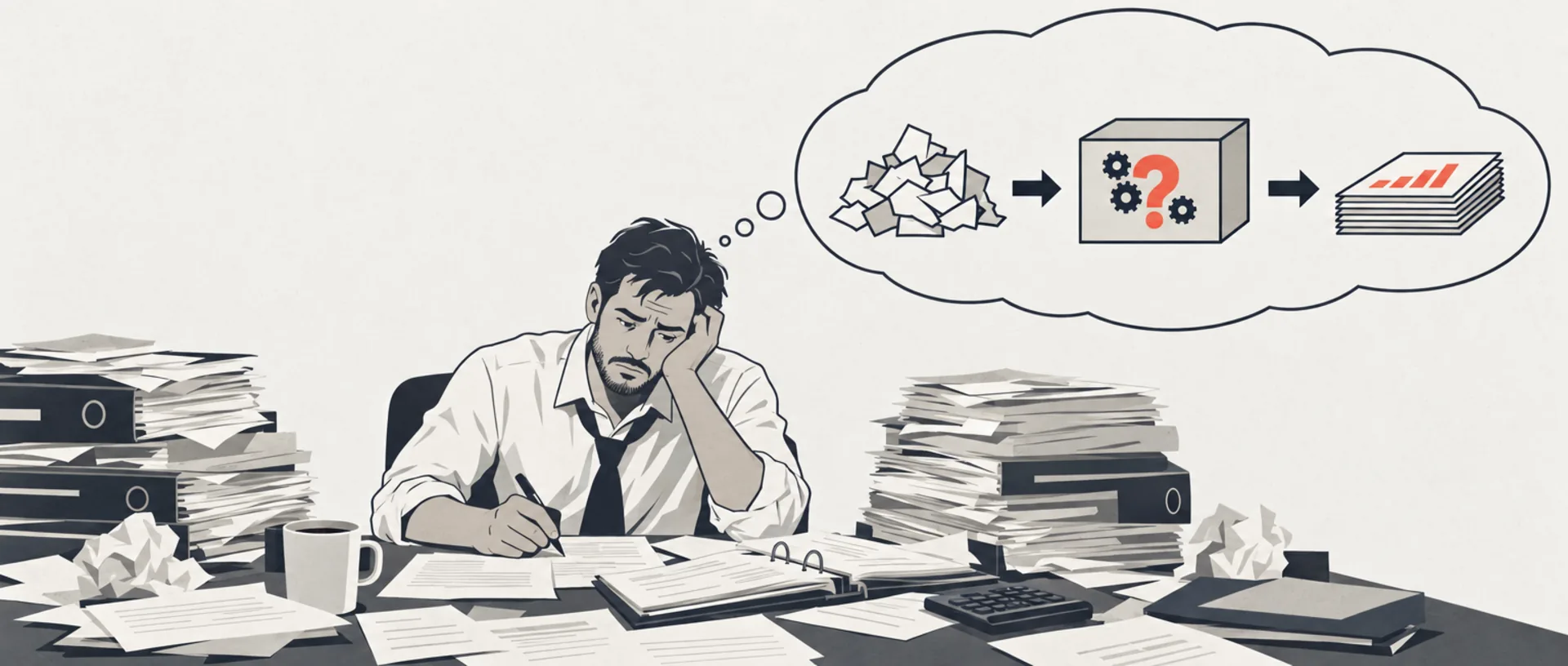
Yes. This is where I put my foot down: any business can benefit from automation.
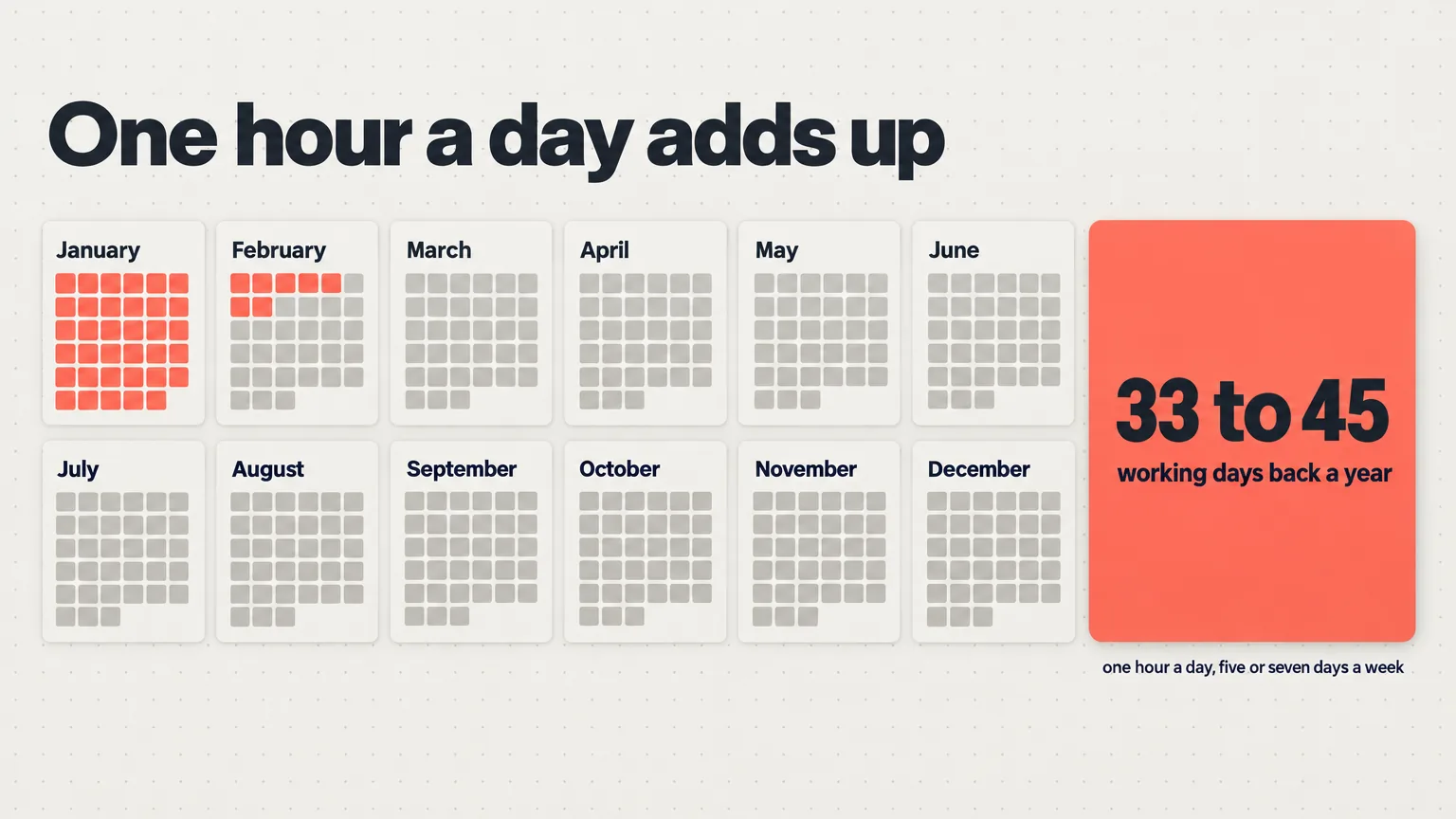
It isn't like buying a multi-million dollar factory to produce things faster. It's one of the best returns on investment a business can get. Say you save one hour a day, which is completely reasonable. A lot of owners work seven days a week, so over a year that's roughly 33 to 45 working days of eight hours, depending on whether you work five days or seven.
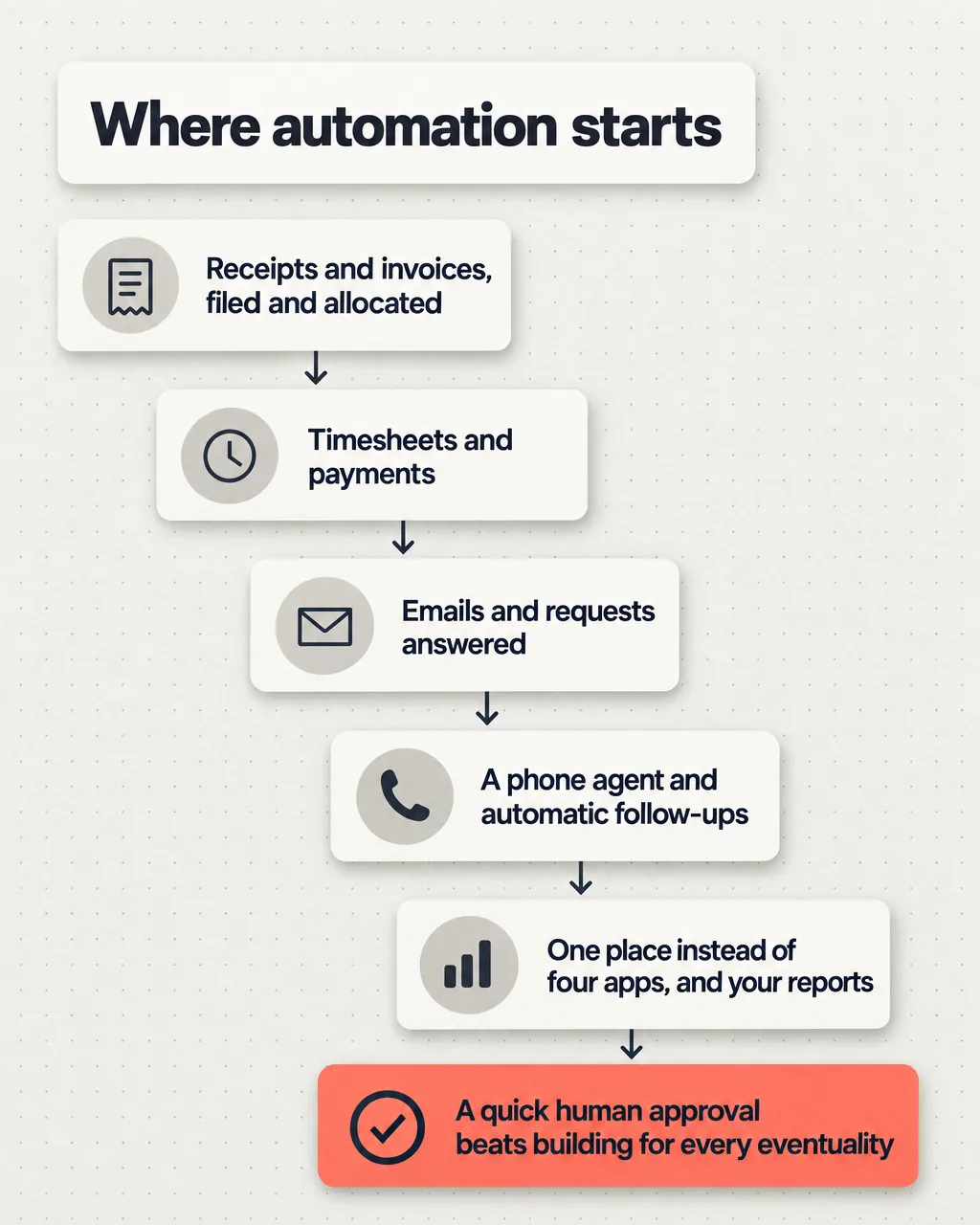
On a small level, it could be saving and allocating receipts and invoices, or managing timesheets and payments. Step up from there and it's automating emails and requests, having a phone agent, sending automatic follow-ups, replacing the copy and paste across four apps with one place, and automating your reports. Honestly, all admin can be automated these days, and a lot of operations can be too. Even GST can be handled if the system is set up properly. But building it to cover every eventuality isn't worth the return. A quick human approval, with what it learns documented, is the smarter trade.
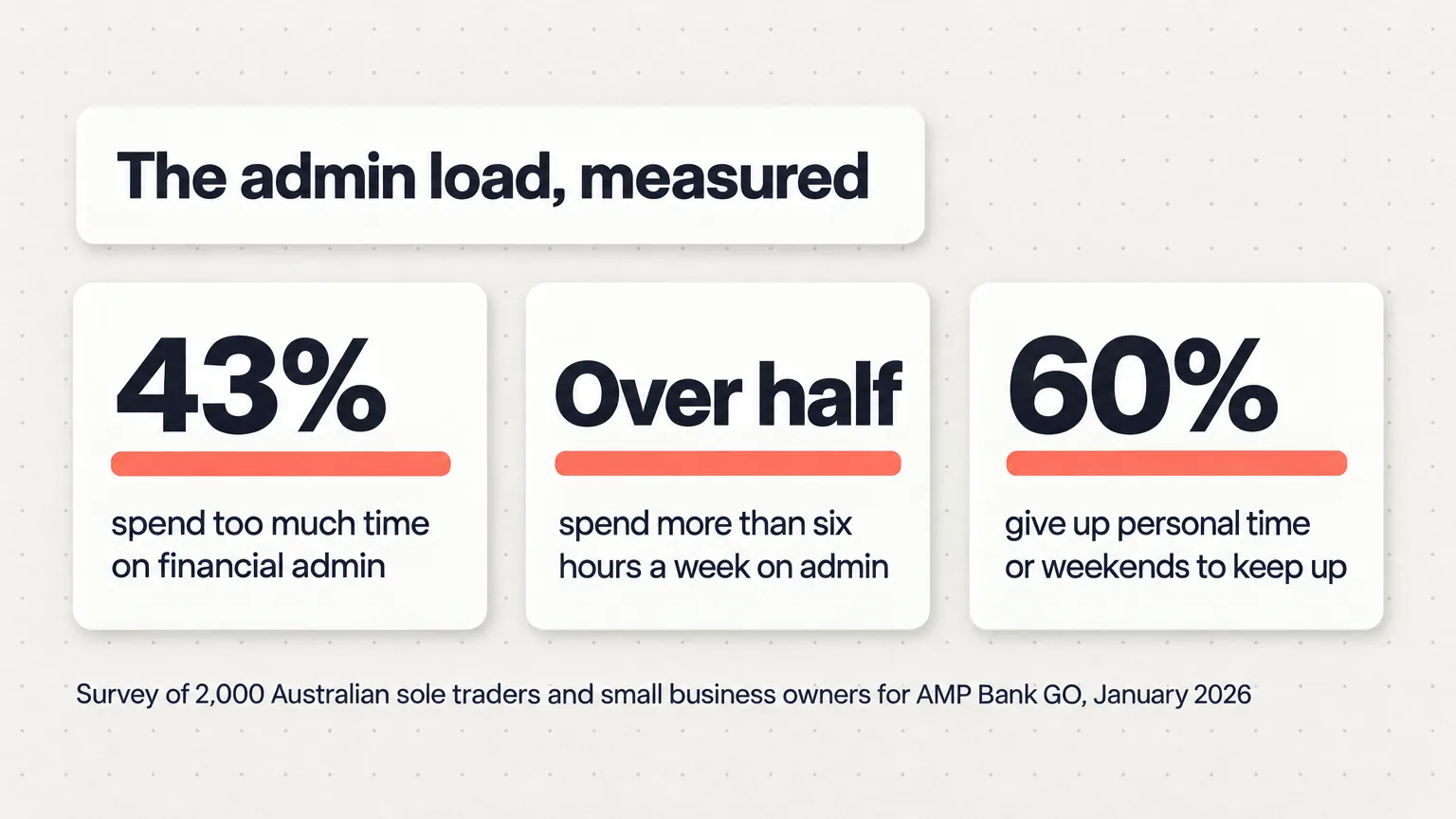
It's a bigger load than most people think. A survey of 2,000 Australian sole traders and small business owners, commissioned by AMP Bank GO, found that 43% spend too much time on financial administration, with more than half dedicating over six hours a week to admin tasks. And 60% said they sacrifice personal time or weekends just to stay on top of their finances. That's only the financial side. The operational admin, like bookings, quotes, reports and emails, comes on top of it, and it's a lot more.
The irony is that the smaller the business, the more it benefits. Small businesses often can't afford a virtual assistant, in the Philippines or anywhere else, so in my experience they finish a ten-hour day and then do another three or four hours of admin, compliance and tax at home. They're the ones who would benefit most.