What can actually be automated in a small business, and what first?
Pretty much anything can be automated. The better question is what is worth it: start with the thing that hurts most for the least effort, and bring as much across in one go as you can.
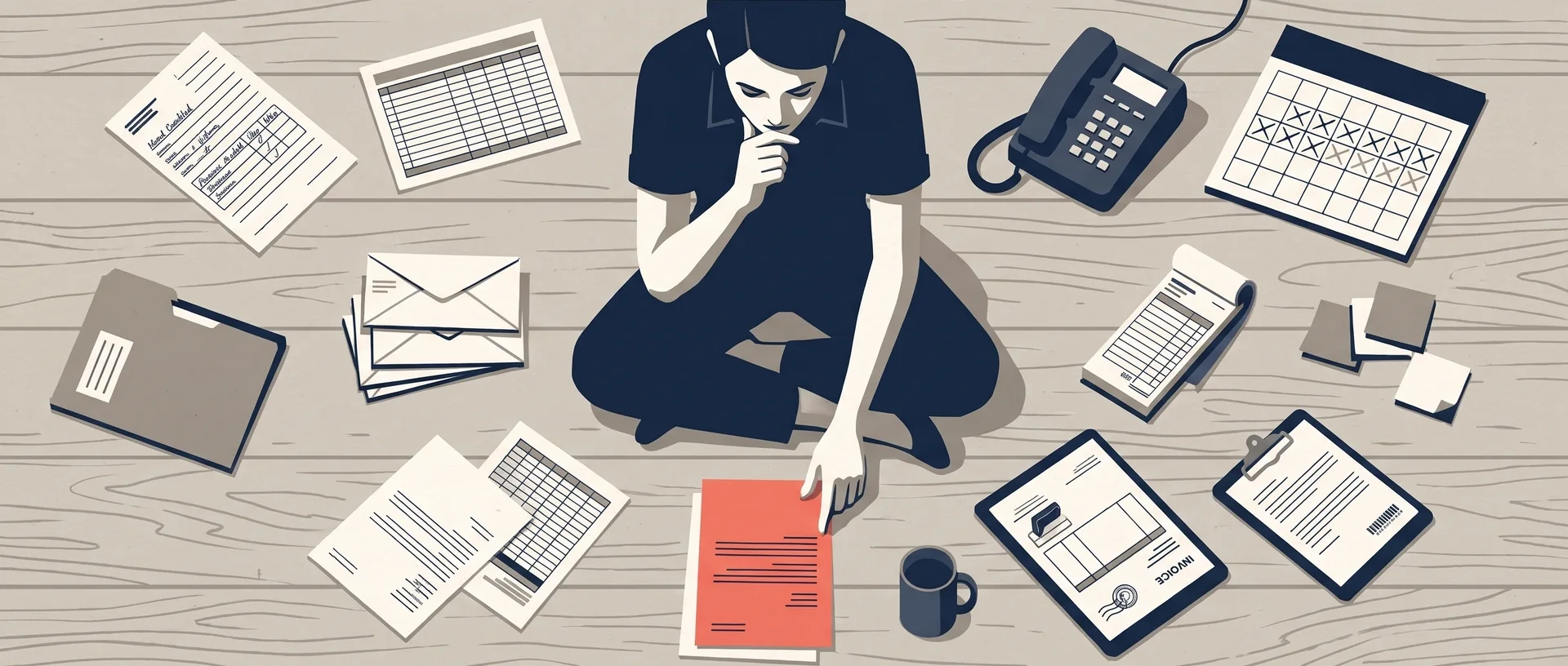
Honestly, pretty much anything can be automated. The better question is what's worth automating, so look at cost against value, and at what is really causing you pain.
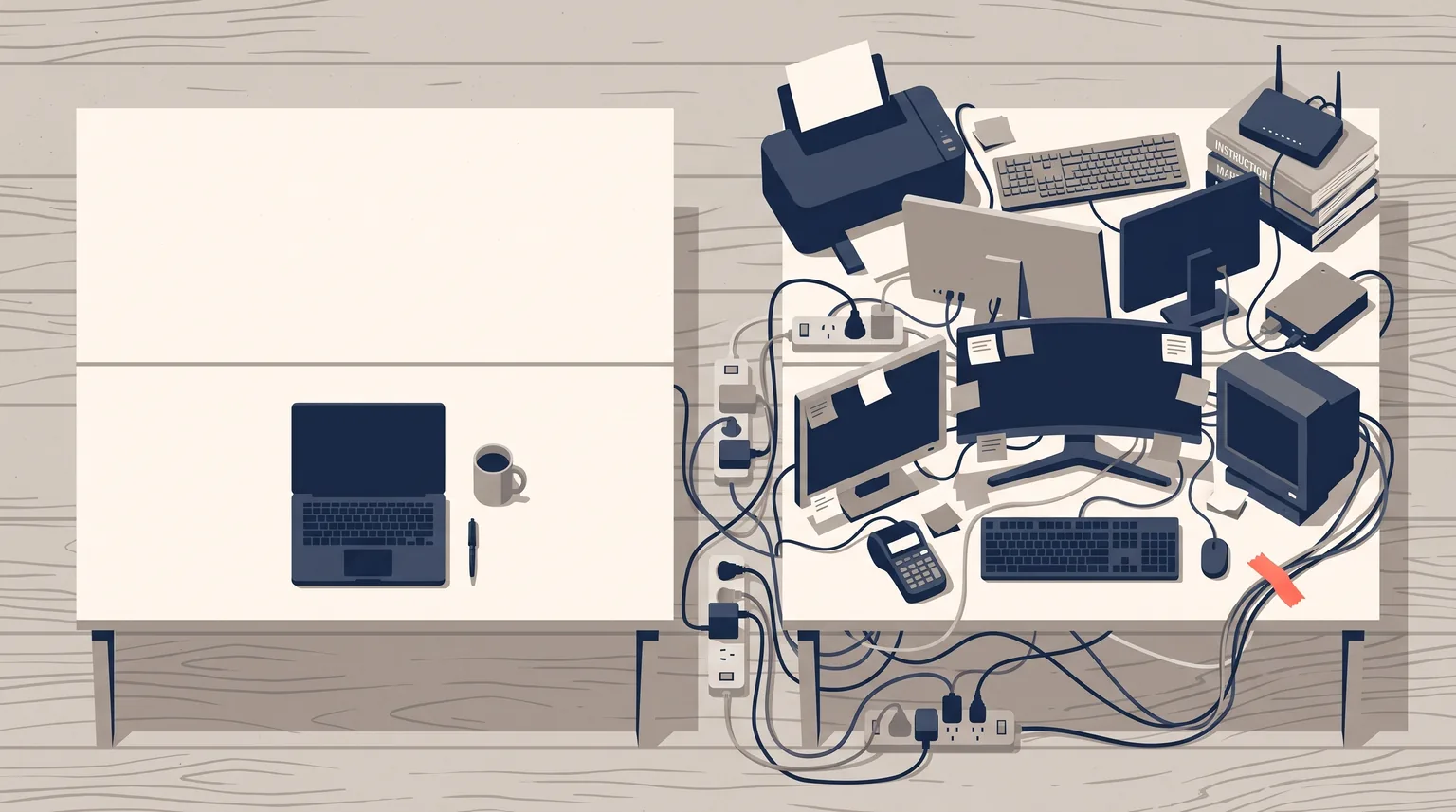
That's different for everyone. For one person, the pain is that they're still running the business on Excel, Word and email. Nobody without access to their sheets can see what's going on, there's no revision control, no proper backups, and it can't adapt as the business grows.
For another person, it's forms. You'd be surprised how many people still fill them out by hand, then copy the answers into a sheet, send emails manually, and have no way of keeping track of their customers.
For someone else, it's the receptionist call.
So start with the lowest-hanging fruit, the thing that hurts most for the least effort, and work from there. That's the minimum.

Ideally, though, we'd automate as much as we can. Software is best built on a clean slate, and any modification or migration adds development time, complexity and cost. The more you can bring across in one go, the cleaner and cheaper it is than patching things on later.